Instagram Dolby Vision: A Guide to HDR Video Quality
HyppeSocial November 18th, 2025 Instagram
Instagram Dolby Vision: A Practical Guide to Superior HDR Video Quality
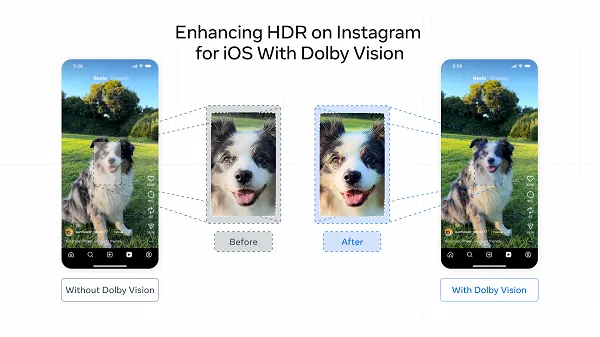
Instagram has taken a significant step forward in video quality by implementing enhanced support for Instagram Dolby Vision on its iOS application. While the platform has supported High Dynamic Range (HDR) content for some time, this recent update provides a more sophisticated and dynamic viewing experience for users with compatible devices. For content creators, videographers, and brands, this change offers a new standard for visual fidelity on the platform, allowing for richer colors, deeper contrast, and more true-to-life video presentations.
This move signals Meta's commitment to improving the creator experience by preserving the technical quality of uploaded content. It addresses a long-standing challenge where intricate color grading and dynamic range were often lost during the platform's compression process. Now, videos recorded on modern iPhones can be displayed on Instagram with the visual integrity their creators intended.
What Exactly is Dolby Vision HDR?
To understand the importance of this update, it's helpful to differentiate between standard HDR and Dolby Vision. High Dynamic Range (HDR) video technology expands the range of both contrast and color. Essentially, it allows for brighter whites and darker blacks, making content appear more vivid and realistic than Standard Dynamic Range (SDR) video.
Dolby Vision is a more advanced, proprietary version of HDR. The key difference lies in its use of dynamic metadata. Here’s a simple breakdown:
- Standard HDR (like HDR10): Uses static metadata, which means it sets a single tone-mapping instruction for the entire video. While a major improvement over SDR, it can be a one-size-fits-all approach for scenes with varying light conditions.
- Dolby Vision: Uses dynamic metadata to optimize the picture on a scene-by-scene or even frame-by-frame basis. This allows for constant adjustments to brightness, color, and contrast, ensuring every moment of the video is displayed with optimal quality. For example, a scene transitioning from a bright outdoor setting to a dimly lit room will be rendered accurately in both parts, preserving details in the highlights and shadows.
How Instagram Dolby Vision Support Works on iOS
The new functionality on Instagram for iOS leverages the native capabilities of modern iPhones, which have been able to record in Dolby Vision for several generations. The update ensures that the rich metadata embedded in these video files is no longer stripped out during the upload process. According to Meta, the implementation involved a close collaboration with Dolby and developers of the open-source FFmpeg project to preserve this critical information.
Two main components are at play:
- Dolby Vision Metadata: This is the frame-by-frame data that tells a compatible display exactly how to present the colors and brightness levels for maximum impact.
- Ambient Viewing Environment (amve): This secondary set of data provides information about the original lighting conditions in which the video was graded. A display can use this information to intelligently adjust its output based on the viewer's current environment, ensuring a consistent and high-quality experience whether they are watching in a dark room or a brightly lit space.
A Practical Guide to Using Dolby Vision on Instagram
For creators looking to take advantage of this new feature, the process is straightforward but requires attention to a few key details. Here are the steps to ensure your HDR video looks its best on the platform.
- Step 1: Check Your Device and Settings
Dolby Vision recording is available on the iPhone 12 Pro and newer models. To enable it, navigate to `Settings > Camera > Record Video` and ensure the `HDR Video` toggle is turned on. This will capture video in the 10-bit Dolby Vision HDR format. - Step 2: Record with Good Lighting
HDR content benefits immensely from varied lighting. Scenes with a mix of bright light sources and deep shadows will showcase the technology's capabilities most effectively. For example, filming a sunset, a city skyline at night, or a product with reflective surfaces will produce visually striking results. - Step 3: Edit in a Compatible Application
If you edit your videos before uploading, you must use software that supports Dolby Vision to avoid losing the metadata. Apple's native iMovie and Final Cut Pro handle this seamlessly. For more advanced workflows, applications like DaVinci Resolve also offer robust support. When exporting, choose a format that preserves HDR metadata, such as HEVC 10-bit. - Step 4: Upload Directly to Instagram
Upload your final video file directly through the Instagram iOS app. The platform will now recognize and process the Dolby Vision metadata, delivering the enhanced version to viewers with HDR-capable displays (such as recent iPhones, iPads, and other high-end smartphones).
Who Benefits Most from This Update?
While the improvement enhances the viewing experience for all users with compatible devices, certain groups will find this update particularly valuable.
- Videographers and Filmmakers: Professionals who spend considerable time on color grading can now be confident that their artistic vision will be more faithfully represented on one of the world's largest visual platforms.
- Travel and Nature Creators: Capturing breathtaking landscapes with vibrant colors and extreme light variations is central to this niche. Dolby Vision allows them to share content that feels more immersive and true-to-life.
- Brands and Marketers: For businesses, especially in sectors like fashion, automotive, or technology, product presentation is critical. High-fidelity video can better showcase material textures, paint finishes, and intricate details, leading to a more premium brand perception. For instance, a jewelry brand can now display the sparkle of a diamond with far greater realism.
The Future of High-Quality Video on Meta Platforms
This update for Instagram is not an isolated event. Meta has stated its intention to expand Dolby Vision support to its other applications and operating systems in the future. This suggests a broader strategy to compete on the basis of content quality, providing creators with the tools they need to produce professional-grade work. As more devices become HDR-capable, features like this will transition from a niche benefit to an expected standard.
For now, the integration of Instagram Dolby Vision on iOS sets a new benchmark for video quality on a major social media platform. It empowers creators to push their creative boundaries and provides viewers with a richer, more engaging visual experience, making the platform a more compelling destination for high-quality video content.