Snapchat Marketing: Post-Christmas Opportunities for Brands
HyppeSocial November 29th, 2025 Snapchat
The period immediately following Christmas, often referred to as Q5, presents significant Snapchat marketing opportunities that many brands overlook. While the pre-holiday rush captures much attention, industry research consistently shows that consumer shopping and engagement remain high well into the new year. Understanding these post-holiday behaviors on platforms like Snapchat can provide a strategic advantage for advertisers looking to optimize their campaigns.
Studies indicate that a substantial portion of the consumer base continues shopping after December 25th. Specifically, data reveals that 60% of consumers engage in post-Christmas purchases. This trend is even more pronounced among Snapchat users, with 88% of U.S. Snapchatters actively shopping for gifts during this particular period. This sustained purchasing activity underscores the importance of a comprehensive marketing plan that extends beyond the traditional holiday season.
Understanding Post-Christmas Consumer Behavior
Consumers have several motivations for continuing their shopping post-Christmas. Many receive gift cards, giving them new spending power. The holiday break often provides additional free time to browse and make considered purchases. Furthermore, some shoppers strategically plan to utilize post-holiday sales and discounts. For Snapchatters, this period is often seen as a chance to treat themselves and others, leveraging their gift cards and planned budgets. This mindset creates a receptive audience for targeted advertising.
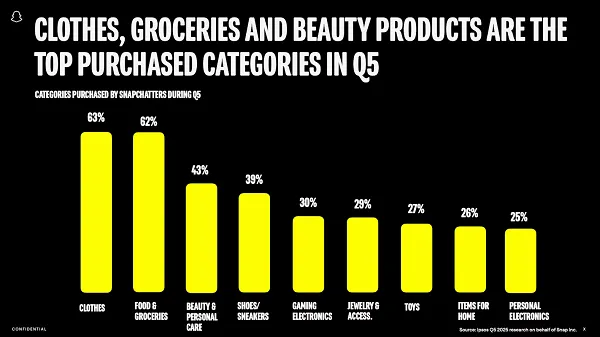
The types of products consumers seek during Q5 also shift. While pre-Christmas shopping focuses heavily on gifts for others, the post-holiday period sees a notable increase in self-gifting. Popular shopping categories include:
- Fashion: Apparel, accessories, and footwear as people refresh their wardrobes or buy items they desired but didn't receive.
- Beauty: Cosmetics, skincare, and fragrances for personal indulgence and replenishment.
- Electronics: Gadgets, accessories, and larger tech items often purchased with gift money or as planned upgrades.
- Food & Drink: Specialty items, gourmet foods, or subscriptions for ongoing enjoyment after holiday feasting.
These categories represent prime targets for marketing on Snapchat, where visual content and engaging formats can effectively showcase products and inspire purchases.
Leveraging Peak Engagement and New Year's Resolutions
Beyond shopping, Snapchat observes heightened user activity during Q5. New Year's Eve stands out as the number one engagement day on the platform, as users connect with friends and share holiday experiences. This surge in activity provides a unique window for brands to connect with a highly engaged audience. The festive atmosphere and desire to share moments make it an opportune time for interactive ad experiences.
The start of a new year also brings with it New Year's resolutions, offering another powerful avenue for Snapchat marketing. Many individuals commit to personal improvement goals across various aspects of their lives. Common resolutions include:
- Health and Fitness: Committing to exercise, healthier eating, or wellness routines.
- Organization: Decluttering homes, improving productivity, or setting new personal systems.
- Travel: Planning new adventures and experiences for the year ahead.
- Learning New Skills: Pursuing hobbies, educational courses, or personal development.
Brands can strategically align their messaging and product offerings with these aspirations, providing solutions and motivation for users to achieve their goals. For example, a fitness brand can promote new workout gear, a home goods company can highlight organizational tools, or a travel agency can advertise early-bird deals.
Actionable Snapchat Marketing Strategies for Brands
To effectively capitalize on these post-Christmas opportunities, brands should consider the following practical Snapchat marketing strategies:
- Target Self-Purchase Intent: Craft campaigns that speak directly to the desire for self-indulgence and personal rewards. Messages like “Treat Yourself” or “Your New Year, New You” can resonate strongly.
- Utilize Augmented Reality (AR) Lenses: For fashion, beauty, and home goods, AR Lenses allow users to virtually try on products or visualize them in their environment, enhancing the shopping experience and driving consideration.
- Run Dynamic Shopping Campaigns: Leverage Snapchat's shopping ad formats to showcase product catalogs tailored to the popular Q5 categories (fashion, beauty, electronics, food). Dynamic product ads can re-engage users who have shown interest.
- Leverage Peak Engagement Days: Schedule critical campaigns around New Year's Eve and the first week of January to maximize visibility during periods of high user activity. Consider fun, interactive filters or Lenses related to celebrations.
- Align with Resolution Trends: Create ad content that connects products with common New Year's resolutions. For instance, a healthy snack brand can promote itself as a partner in wellness goals.
- Implement Story Ads and Collection Ads: These formats are ideal for visually rich content, allowing brands to tell a compelling story or present a curated selection of products effectively within the user's flow.
- Encourage User-Generated Content (UGC): Develop branded filters or challenges that encourage Snapchatters to share their post-holiday purchases, gift card hauls, or resolution journeys. This builds authentic community engagement.
- Re-engage Holiday Shoppers: Use remarketing strategies to target users who interacted with your brand during the pre-Christmas period but didn't convert, offering them incentives for Q5 purchases.
While social media platforms naturally highlight such opportunities to encourage ad spend, the underlying data provides genuine insights into consumer behavior. Brands that recognize and adapt their marketing on Snapchat for the post-Christmas period stand to gain significant engagement and revenue. By strategically planning campaigns to align with continued shopping habits, peak engagement days, and New Year's resolutions, businesses can extend their holiday success well into the new year.