The Strategic Framework for Social Media Content Batching in 2026
HyppeSocial May 22nd, 2026 Social Media Marketing
The High Stakes of 2026 Social Media
Managing a brand presence in 2026 requires more than just a creative spark; it demands a systematic approach to production. The pressure to remain visible across every digital touchpoint often leads to a reactive mindset. You find yourself scrambling for a caption minutes before a deadline, sacrificing quality for the sake of the algorithm. This is a recipe for mediocrity and eventual burnout.
Consumers have higher standards than ever. Current market research shows that 80% of your audience expects to engage with brand content as much or more than they did last year. Meeting this demand without losing your sanity requires a shift from real-time execution to strategic batching. This method replaces the daily grind with focused cycles of high-intensity productivity.
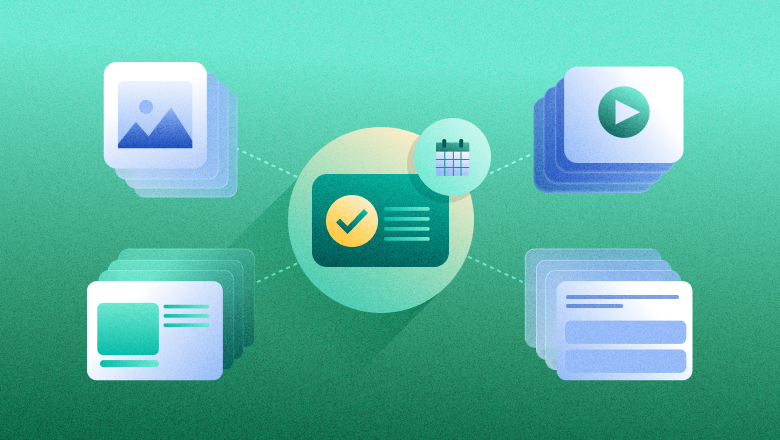
Content batching is the disciplined practice of grouping similar tasks into dedicated time blocks. Instead of shifting between brainstorming, filming, and data analysis throughout the day, you isolate these functions. This approach eliminates the heavy cognitive cost of context switching, allowing you to produce superior work in a fraction of the time.
Protecting Your Creative Capital
The mental toll of the digital marketing industry is reaching a breaking point. Statistics indicate that 94% of social media practitioners feel the weight of being chronically online. When you are always on, your creative well eventually runs dry. About one-third of professionals in this space now cite creative fatigue and burnout as their primary professional fears.
Batching serves as a structural barrier against this exhaustion. By carving out specific windows for creation, you grant yourself permission to step away from the platforms during other times. This separation is vital for long-term career sustainability. It transforms social media management from a chaotic 24/7 burden into a manageable, professional process.
Small business owners, in particular, find that batching reclaims hours previously lost to indecision. Instead of designing one graphic at a time, you can design a week's worth of assets in a single hour. The time you save can then be redirected toward high-level growth initiatives, such as revenue diversification or long-term partnership development.
Achieving Cross-Platform Integrity
A fragmented social strategy is a weak social strategy. Your brand must maintain a cohesive identity whether a customer finds you on TikTok, LinkedIn, or Instagram. Batching facilitates this consistency by allowing you to view your entire content calendar as a single narrative rather than a series of disconnected posts.
Consider the airline industry for a moment. Successful brands in this sector often maintain an irreverent, self-aware persona across multiple networks. They don't just post randomly; they adapt their core voice to fit the unique culture of each platform. On TikTok, this might look like raw, trend-driven video content. On LinkedIn, that same message is polished into a professional insight without losing the brand's signature wit.
When you batch your content, you can easily spot where your messaging is drifting. You ensure that your tone of voice remains aligned across the board. This creates a recognizable brand experience that builds trust with your audience over time. You are no longer just posting; you are building a legacy.
The Four-Phase Content Workflow
To execute batching effectively, you must move through a structured sequence of operations. This prevents the blurred lines that lead to inefficiency. Follow this high-performance workflow to maximize your output.
- Phase 1: Research and Ideation. Dedicate a block of time to gathering inspiration and analyzing current trends. Use this phase to map out your core themes and storytelling arcs. Do not open your design tools yet. Focus entirely on the conceptual foundation.
- Phase 2: High-Volume Production. Once your ideas are set, move into execution. Film all your videos, capture your photography, and design your graphics in one go. Staying in the creative flow state ensures a consistent visual style across all assets.
- Phase 3: Technical Copywriting. With your visuals ready, focus on writing. This allows you to fine-tune your brand voice without the distraction of visual editing. Draft your captions, select your keywords, and refine your calls to action.
- Phase 4: Scheduling and Automation. The final phase involves loading your content into your management platform. Set your publication dates and times based on your audience's peak activity periods. Once this is complete, your content is on autopilot, freeing you to focus on engagement and strategy.
Mastering the Efficiency Cycle
The transition to content batching requires an initial investment of time and discipline, but the dividends are immediate. You will notice a significant improvement in both the quality of your content and your mental clarity. The goal is to move from a state of constant reaction to a position of total control.
As you refine this process, you will discover the ability to create content series that keep your audience returning for more. Consistent storytelling is the most powerful tool for retention. By removing the friction of daily posting, you clear the path for the kind of innovative work that truly resonates in a crowded digital marketplace.