The Death of the Click: Adapting to Answer Engine Optimization
HyppeSocial May 27th, 2026 SEO
The New Reality of the Search Result Page
The traditional search engine results page is no longer a collection of ten blue links. It has evolved into a sophisticated response engine that prioritizes immediate gratification over site traffic. This shift marks the rise of Answer Engine Optimization, a discipline that requires a radical departure from the tactics that governed the last decade of digital marketing.
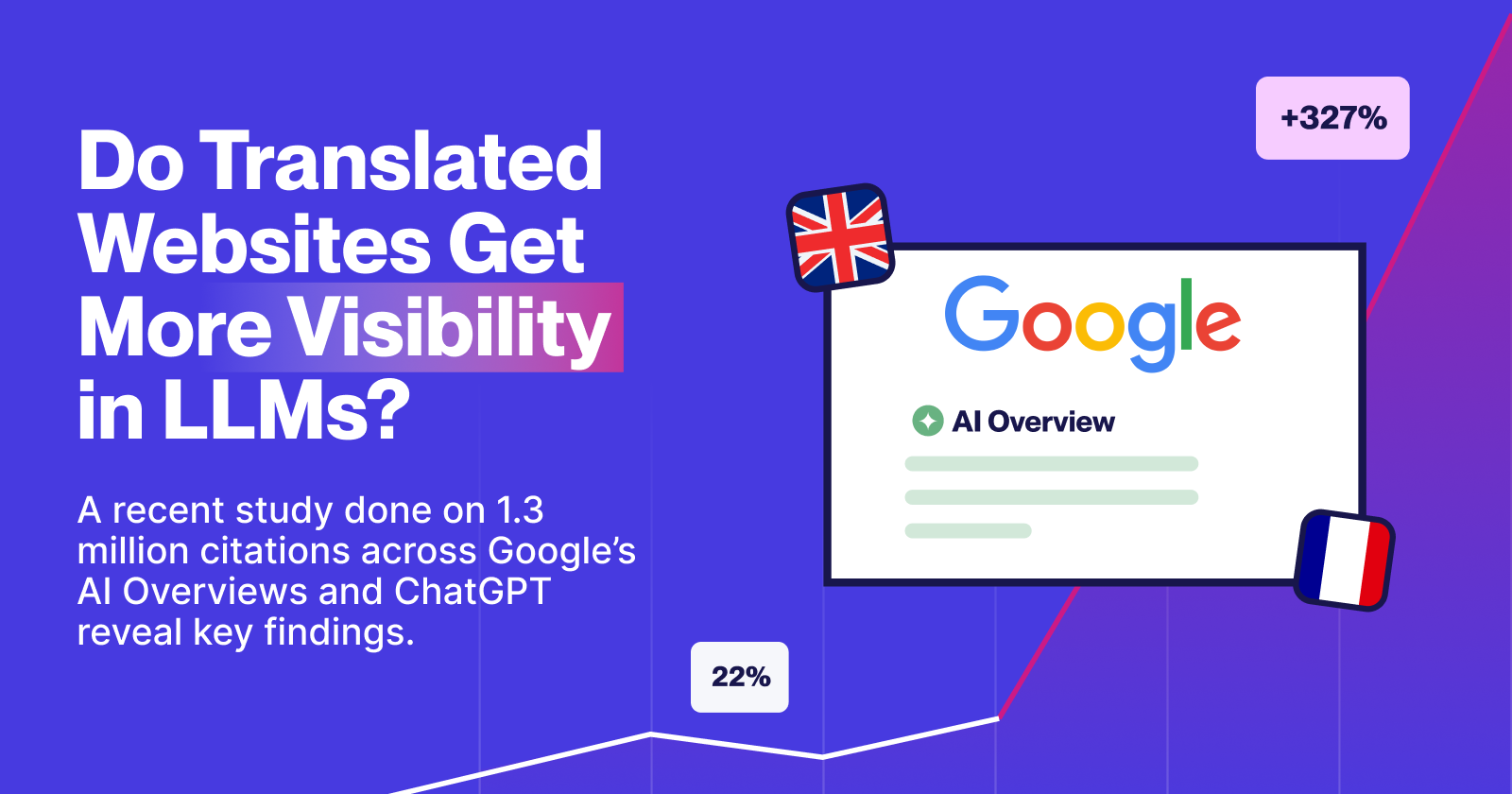
For years, the goal was simple: rank high enough to earn a click. Now, the goal has shifted to being the primary source cited within a generated overview. When an AI provides a comprehensive answer directly on the result page, the user has little reason to visit the underlying website. This zero-click reality is forcing a total reassessment of how we define and measure online success.
Defining Answer Engine Optimization
Traditional SEO focuses on optimizing for algorithms that rank pages based on relevance, authority, and technical health. While these elements still matter, Answer Engine Optimization shifts the focus toward how Large Language Models process and synthesize information. It is less about being a destination and more about being the data source for a synthetic response.
To succeed in this environment, content must be structured in a way that machines can easily parse. This involves more than just adding schema markup. It requires a commitment to clarity, factual density, and the elimination of fluff. AEO prioritizes direct answers to complex queries, valuing the ability to provide a definitive solution over the length of the content.
The Impact on Website Traffic and Metrics
The arrival of AI-driven overviews has created a clear divide in traffic patterns. Informational queries that can be answered in a single paragraph are seeing a sharp decline in click-through rates. However, this does not mean the end of organic visibility. Instead, the nature of the traffic is changing from high-volume, low-intent browsing to high-intent research.
Marketers must stop obsessing over raw traffic numbers and start looking at brand impressions and citation frequency. If your brand is the primary citation in an AI overview, your authority grows even if the user never clicks through to your site. This represents a long-term play for brand dominance rather than a short-term hunt for page views.
Technical Strategies for AI Visibility
Optimizing for this new era requires a multi-pronged approach to technical and creative content production. High-performing sites are moving away from broad keywords and toward topical clusters that demonstrate deep expertise. Consider the following strategies for maintaining presence in generated summaries:
- Entity-Based Content: Focus on clear definitions of people, places, and things to help AI models map your content to known entities.
- Factual Integrity: AI models cross-reference information. Content that aligns with the consensus of established authorities is more likely to be cited.
- Direct Response Formatting: Use clear, concise headings followed by immediate answers to improve the chances of being featured in a summary block.
- Structured Data Maturity: Implement comprehensive JSON-LD that goes beyond basic articles to include specific datasets and organizational attributes.
The Shift Toward Conversational Authority
As search becomes a dialogue, the tone of your content must adapt. Users are asking more complex, multi-part questions that require nuanced responses. This is where traditional SEO often fails, as it tends to target fragmented keywords rather than the intent behind a conversation. Establishing authority now means answering the follow-up questions before they are even asked.
Building this level of trust requires a commitment to original research and unique perspectives. AI models are trained to avoid repetitive, generic content. To be seen as a source worth citing, your website must offer something the training data does not already have. This could be proprietary data, first-hand experience, or a controversial but well-reasoned take on an industry trend.
Navigating the Post-Click Landscape
The transition from search engines to answer engines is not a temporary trend but a permanent shift in how humanity interacts with information. Success in this landscape belongs to those who prioritize being the most helpful resource, regardless of whether that help results in an immediate site visit. By focusing on Answer Engine Optimization, you position your brand as an essential part of the AI-driven future.