Creator Content Regulation: A Guide to New Global Rules
HyppeSocial November 17th, 2025 Social Media Strategy
Creator Content Regulation: Navigating the New Rules for Influencers
As the creator economy matures, governments worldwide are shifting their focus toward creator content regulation. The era of platform self-moderation is being supplemented by direct legal frameworks aimed at curbing misinformation and holding influencers accountable, especially on sensitive subjects. This shift signals a new phase of digital governance where creators must navigate not just platform policies but also national laws.
This article examines the new regulatory approaches emerging in China and South Korea, contrasts them with the current landscape in the United States, and provides practical steps for creators and marketers to remain compliant and responsible. Understanding these developments is essential for anyone operating in the global social media space.
The Rise of Government-Led Content Moderation
For years, content moderation was primarily the responsibility of social media platforms. However, as influencers play a larger role in shaping public opinion and political discourse, governments are intervening more directly. The core issue is the potential for harm when influential figures without formal expertise discuss complex topics. This can lead to the rapid spread of misinformation, causing social instability or public health crises. In response, some nations are implementing rules that tie a creator's right to speak on certain topics to their professional qualifications.
China's Mandate: Proof of Expertise for Sensitive Topics
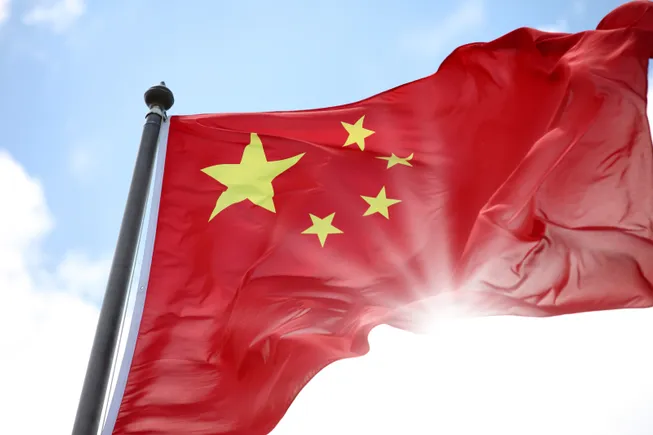
China is enforcing a regulation that requires influencers and live-streamers to prove their credentials before discussing specialized subjects. While this rule has been part of the “Conduct for Online Broadcasters” documentation since 2022, its enforcement is becoming more stringent.
The law states: “For live-streaming content that requires a high level of expertise (such as medical and health, finance, law, and education), the streamer should obtain the corresponding professional qualifications and report these qualifications to the live-streaming platform.”
This means platforms are responsible for reviewing and verifying these credentials. Creators who violate this rule risk significant penalties, including fines of up to $14,000 USD. The goal is to prevent unqualified individuals from offering potentially harmful advice.
Practical Use Cases for Creators in China:
- Finance: A creator who wants to give specific investment advice would need to provide evidence of being a certified financial planner or hold a relevant license. General discussions about market trends may be permissible, but direct recommendations are restricted.
- Health: An influencer discussing medical treatments or offering nutritional advice for specific health conditions would need to be a licensed doctor or registered dietitian. Sharing a personal fitness journey is different from prescribing a medical regimen.
- Law: Explaining legal concepts or news requires a law degree or professional legal certification. Offering legal advice to followers without such qualifications is prohibited.
South Korea's Approach to Hateful and Derogatory Content
South Korea is taking a different but related approach by targeting content that is harmful to its national image. The government is considering new regulations that would restrict foreign creators who post hateful or derogatory content about the country from entering its borders. This proposal was prompted by several high-profile incidents that caused public backlash.
For example, an American streamer named Johnny Somali was indicted for disruptive behavior in a convenience store, which he broadcasted to his audience. In another case, a Japan-based YouTuber faced investigation for a viral video that falsely claimed “dozens of mutilated bodies” had been discovered in Korea. These instances highlight how online content can fuel negative stereotypes and misinformation, prompting the government to consider stricter entry requirements for offending creators.
A Contrasting View: The Evolving Stance in the U.S.
The regulatory trends in Asia stand in contrast to the current direction in the United States. Recently, major platforms have moved toward loosening content restrictions. Meta, for instance, ended its third-party fact-checking program, citing political pressure to reduce censorship. This approach aligns with a broader political movement advocating for fewer controls on online speech.
Furthermore, some political figures have elevated influencers and podcasters to prominent roles, effectively endorsing their credibility regardless of their professional background on the topics they discuss. This strategy focuses on leveraging large audiences to shape narratives, but it also increases the risk of unverified or biased information reaching millions of people. This divergence highlights a fundamental difference in philosophy: while some governments are prioritizing accuracy and expertise, others are prioritizing freedom of expression, even if it comes with the risk of misinformation.
Practical Steps for Creators to Navigate New Global Rules
For creators with a global audience, this evolving landscape of creator content regulation demands a proactive and informed approach. Simply following a platform's terms of service is no longer enough. Here are concrete steps to adapt your strategy:
- Audit Your Content Pillars: Review the main topics you cover. Ensure they align with your genuine expertise and qualifications. If you venture into sensitive areas like health or finance, be prepared to substantiate your knowledge.
- Understand Local Laws: If you have a significant audience in a specific country, research its laws regarding online content. What is acceptable in one region may lead to fines or access restrictions in another.
- Prioritize Factual Accuracy: Make fact-checking a standard part of your workflow. When discussing complex issues, cite credible sources and differentiate between established facts and personal opinions. This builds trust and reduces liability.
- Disclose Your Qualifications (or Lack Thereof): Be transparent with your audience. If you are sharing a personal experience and not professional advice, state it clearly. If you do have relevant credentials, displaying them can add authority and credibility to your content.
- Develop a Moderation Policy: For your own channels, establish clear guidelines for comments and community interaction to prevent the spread of harmful misinformation by others on your posts.
The global social media environment is becoming more complex. The actions taken by China and South Korea indicate a growing trend toward government oversight of influencer content. For creators, the path forward involves a greater commitment to responsibility, accuracy, and a deep understanding of the diverse legal landscapes in which they operate. Staying informed is the best way to protect your brand and build a sustainable presence.