Google AI Overviews & AI Mode: Mobile Search Integration
HyppeSocial December 2nd, 2025 Google Search
Google AI Overviews and AI Mode: A New Era for Mobile Search Integration
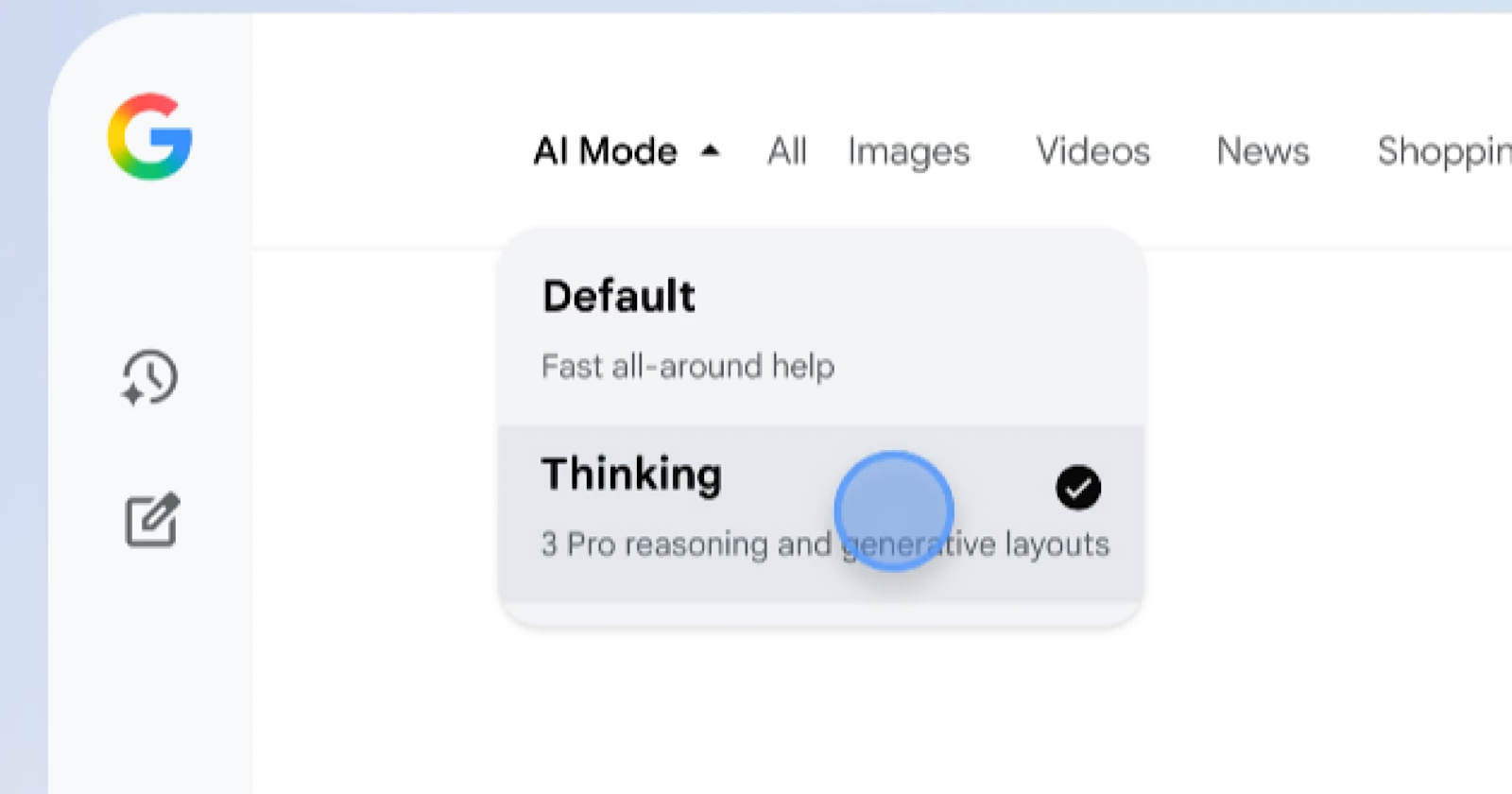
Google is rolling out a new feature that seamlessly connects AI Overviews with AI Mode on mobile devices. This development marks a significant shift in how users interact with search results, allowing for deeper, more conversational engagement without navigating away from the initial search page. For content creators and SEO professionals, understanding this integration is crucial for adapting strategies in the evolving search landscape of 2026.
Previously, users seeking the comprehensive capabilities of AI Mode, designed for intricate follow-up questions, had to manually switch interfaces after viewing an AI Overview. This new testing phase aims to streamline that process, allowing users to transition directly into a conversational dialogue with Google's AI from the overview itself. This enhanced user experience aligns with Google's broader vision for search: providing instant snapshots of information combined with the option for more in-depth, interactive exploration.
Understanding Google AI Overviews and AI Mode
To appreciate the significance of this integration, it helps to distinguish between Google AI Overviews and AI Mode as they operated before this change. Google AI Overviews are concise, AI-generated summaries displayed at the top of search results for specific queries. They aim to provide immediate answers or quick syntheses of information drawn from various sources, helping users understand a topic without necessarily clicking through to individual websites.
AI Mode, on the other hand, represents a more advanced conversational search experience. It is designed for complex queries, follow-up questions, and iterative exploration of a topic. Imagine planning a trip: an AI Overview might give you a summary of popular destinations, but AI Mode would allow you to ask, "What are the best family-friendly activities in Rome during October?" followed by "What are the average costs for a family of four?" in a continuous dialogue.
The previous workflow often required users to recognize the need for deeper interaction, then manually initiate an AI Mode session. This created a minor but noticeable friction point in the user journey. Industry experts indicate that removing such friction is a key objective for search platforms aiming to enhance user satisfaction and retention.
The Seamless Integration of Conversational AI on Mobile
The core of this new feature lies in its ability to bridge the gap between initial summaries and detailed conversations. When a user performs a search query on a mobile device and an AI Overview is generated, the system now provides an intuitive pathway to engage in further dialogue. Instead of being a static summary, the AI Overview becomes a gateway to an interactive AI session.
For example, if a user searches for "best practices for plant care," they might first see an AI Overview summarizing common advice. Directly from this overview, they could then pose a follow-up question like "How often should I water a succulent?" or "What are common pests for indoor plants?" These subsequent questions open directly into AI Mode, maintaining context from the initial query and overview. This eliminates the need to return to the main search results or open a separate interface, creating a "one seamless experience," as described by an industry expert, offering a "quick snapshot when you need it, and deeper conversation when you need it." This global test on mobile devices suggests a strategic move towards a more unified AI-powered search environment.
Implications for Search Experience and Content Strategy
This integration has profound implications for how users interact with information and, consequently, for content creators and SEO professionals. When users can resolve their queries and explore related topics within Google's interface, it could influence traffic patterns to external websites.
- Reduced Organic Clicks: For certain informational queries, users might find sufficient answers within the AI Overview and subsequent AI Mode conversation, reducing the likelihood of clicking through to traditional organic search results.
- Increased Importance of Direct Answers: Content that is easily digestible and provides direct, authoritative answers is more likely to be featured in AI Overviews, which are now even more central to the user journey.
- Focus on Conversational Intent: Understanding the types of follow-up questions users might ask after an initial query becomes critical. Content needs to anticipate these deeper dives and provide comprehensive information that caters to a conversational flow.
- Evolving User Journeys: The traditional linear path from query to click-through might become more circular, with users spending more time within Google's AI ecosystem before or instead of visiting external sites.
- Opportunity for Niche Authority: Sites that establish themselves as definitive sources for specific, complex topics may still capture traffic for highly detailed or unique information that AI Overviews cannot fully synthesize.
Adapting Your Content for AI-Powered Search
In light of these changes, content creators and SEO specialists need to adjust their strategies to remain visible and relevant. Here are practical actions to consider:
- Create Comprehensive, Authoritative Content: Ensure your content addresses topics thoroughly, covering a wide range of related questions. This increases the likelihood of your content being used for AI Overviews and for answering follow-up questions in AI Mode.
- Structure Content for Summarization: Use clear headings (H2, H3), bullet points, numbered lists, and concise paragraphs. This helps AI models easily extract key information for overviews and conversational responses.
- Address Long-Tail and Conversational Queries: Beyond primary keywords, optimize for the types of natural language questions users might ask. Think about the common "who, what, when, where, why, how" questions related to your topic.
- Focus on User Intent: Go beyond keywords to understand the underlying user need and potential next steps in their information-gathering process. If a user asks about product features, what might their next question be? Price? Comparisons? Reviews?
- Utilize Structured Data: Implementing schema markup helps search engines understand your content more deeply, making it easier for AI models to interpret and present your information accurately in various formats.
- Monitor AI Overview Performance: Regularly check how your content appears (or doesn't appear) in AI Overviews for your target keywords. This provides insights into what Google's AI deems relevant and authoritative.
- Diversify Traffic Sources: While SEO remains vital, consider strengthening other channels like social media marketing, email campaigns, and direct traffic to reduce sole reliance on organic search visibility.
Future Outlook for Conversational Search
Google's continuous experimentation with AI Overviews and AI Mode integration underscores a clear direction: search is becoming increasingly conversational and integrated. This move is part of a broader trend where AI plays a more central role in interpreting user intent and delivering highly personalized results. While Google has not provided a specific timeline for expanding this test to general availability, such experiments typically run for several months, indicating a potential permanent shift if user feedback is positive.
The ability to fluidly move from a summary to a detailed AI conversation on mobile devices streamlines the information-seeking process. For businesses, this means the value proposition of their online content needs to be even stronger and more unique to compel a click from a fully featured AI search environment. Staying informed about these developments and proactively adapting content strategies will be essential for maintaining online visibility and engaging with audiences in 2026 and beyond.