Google Demand Gen Overhaul: AI-Driven Creative and Format Flexibility
HyppeSocial June 27th, 2026 Google Ads
The End of Rigid Creative Constraints
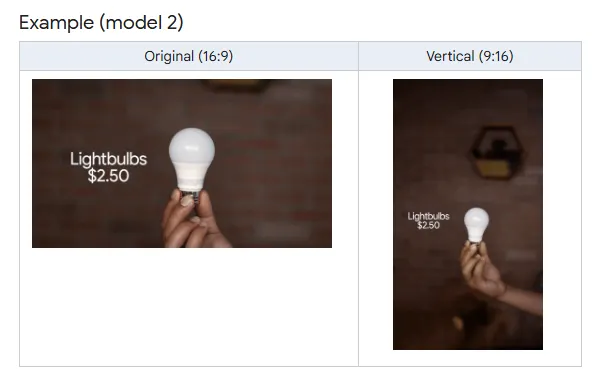
Advertisers have long struggled with the friction of creative production across fragmented platforms. Google is addressing this bottleneck by expanding the technical capabilities of Demand Gen campaigns. The latest update introduces a flexible architecture that allows for seamless conversion between video formats. Media buyers can now transition content between vertical, square, and landscape orientations without the traditional heavy lift of manual re-editing.
This technical shift acknowledges the reality of the modern attention economy. A campaign might start as a vertical Short but need to perform as a high-impact landscape ad on a connected TV. By enabling these transitions, Google ensures that high-performing creative assets are no longer trapped in a single aspect ratio. This flexibility directly impacts the bottom line by reducing production costs while increasing the surface area of potential ad placements.
Gemini Integration as a Virtual Creative Director
The introduction of Gemini-powered assistance marks a fundamental shift in how campaigns are built. Rather than relying on guesswork or historical averages, advertisers will soon receive automated recommendations tailored for YouTube. This AI guidance analyzes image and video assets to determine their suitability for specific audience segments and placement types. It acts as a real-time feedback loop during the campaign setup process.
The objective is to optimize creative impact before a single dollar is spent. By suggesting specific adjustments to assets, the AI helps bridge the gap between raw content and high-conversion promotions. This guidance is particularly valuable for brands trying to navigate the nuance of YouTube's diverse environment, where what works on the home feed might fail in a pre-roll or within a Shorts sequence.
Deepening the Path to Conversion
Visibility is worthless without actionable data. To address this, new response insights are being integrated into the Demand Gen workflow. Advertisers can now track more granular metrics, including specific data points on how new business is generated via app installs. This level of transparency provides a clearer view of the customer acquisition path, allowing for more precise attribution in a privacy-first world.
Understanding the exact touchpoint where a user moves from discovery to action is critical for scaling. These insights allow marketers to identify which specific creative variations or formats are driving the highest quality engagement. When you know which channel is pulling the weight, you can reallocate budgets in real-time to maximize return on ad spend. The data provides a map of the consumer journey that was previously obscured by the complexity of multi-platform campaigns.
The Great Display Migration
The traditional display ad model is undergoing a massive transformation. Google is officially moving display campaigns into the Demand Gen framework, a process that begins this month. This isn't just a name change; it is a fundamental rebranding of how visual discovery works on the web. Eligible advertisers are encouraged to begin the voluntary move now, as all new campaigns will eventually be funneled through this unified flow.
This consolidation forces a shift in strategy. Legacy display ads were often treated as a passive reach play. Demand Gen, by contrast, is built for active engagement. The integration of display into this more robust ecosystem means that even static placements will benefit from the same AI optimization and format flexibility currently reserved for video. It is a push toward a more cohesive, intelligent approach to digital inventory.
Synthesizing AI and Human Strategy
The recent addition of Veo AI video generation models further illustrates the direction of the platform. The ability to generate video from static images within the Demand Gen workflow removes the final barrier to entry for small and mid-sized brands. While the AI handles the technical execution of the creative, the marketer's role shifts to high-level strategy and prompt engineering. The focus is no longer on how to build the ad, but on who the ad is for and what action they should take.
The convergence of generative AI, sophisticated attribution, and format fluidly represents a new era for Google Ads. Success in this environment requires a willingness to hand over tactical control to automated systems while doubling down on the quality of the raw creative inputs. Those who embrace these AI-driven recommendations will likely see a significant advantage in speed-to-market and overall campaign resonance.