LLM Inclusion: SEO Strategies for AI Search Visibility in 2026
HyppeSocial November 26th, 2025 SEO
The landscape of digital discovery is continuously evolving, with Large Language Models (LLMs) playing an increasingly significant role. While some discussions separate optimizing for AI from traditional search engine optimization (SEO), the reality is that LLM inclusion is now an integral part of modern SEO strategy. This shift demands a focus on how the search journey operates today and where businesses can find tangible value. Understanding how generative AI systems integrate and present information from the web is crucial for maintaining visibility and driving business outcomes.
An industry expert and product advisor at a leading analytics platform recently shared insights on this evolving terrain. Their perspective highlights that despite the rapid advancements in AI, traditional search engines continue to hold substantial sway, and human-centric relationships remain paramount. This analysis delves into the current state of LLM integration, what methods are proving effective for inclusion, and the enduring relevance of established search platforms.
Google's Enduring Role in Search
Amid the growing prominence of various AI models and AI-powered search interfaces, there's a common assumption that traditional search is diminishing in importance. However, this view may be premature. As one expert noted, "Most people still rely heavily on conventional search engines." While early adopters and technology enthusiasts might extensively use standalone LLMs, the broader population continues to leverage established search platforms for information retrieval.
Recent data from a prominent analytics provider estimated that a major search engine still accounts for a significant portion of all website traffic. Although its share might have seen minor fluctuations, it undeniably retains a dominant position in directing users to online content. This suggests that while AI tools are gaining traction, they have not yet fundamentally replaced the traditional search experience for the majority of users.
Many users, including those initially experimenting with newer conversational AI systems, find themselves returning to integrated AI search features and established search ecosystems. This trend is likely to continue as major search providers further refine and integrate their AI capabilities. These companies possess an unparalleled wealth of data and resources, allowing them to remain at the forefront of innovation. Investing in competitive AI innovations, these platforms are well-positioned to retain and re-attract users into their comprehensive digital environments. Businesses should therefore not disregard the importance of optimizing for these integrated experiences.
The Attribution Challenge in LLM Traffic
One of the primary hurdles for businesses navigating the rise of LLMs is accurately attributing value to the traffic they generate. While websites might observe an increase in referrals from AI search interactions, quantifying this into concrete business value remains a complex task. Concepts like brand awareness are important, but C-suite executives typically require reporting that demonstrates direct revenue impact or revenue-adjacent metrics.
An industry expert highlighted that while it is possible to track mentions and citations within AI-generated answers, translating these into measurable business outcomes for executive reporting is difficult. These metrics often function as secondary or tertiary indicators, rather than direct drivers of sales or conversions.
Despite these challenges, some early signals have emerged. For instance, a leading analytics platform observed that while traffic from AI search interactions constituted a small percentage of their total traffic, it contributed a disproportionately higher share of total conversions in initial analyses. While this conversion share has since adjusted, it demonstrates that LLMs can indeed drive valuable user actions, even if precise attribution remains a work in progress. Businesses need to develop sophisticated tracking mechanisms to better understand the user journey originating from AI-driven discovery.
Effective Strategies for LLM Inclusion
For businesses aiming to enhance their visibility within large language models, two fundamental approaches have been identified as crucial for LLM inclusion: repetition and differentiation. These strategies help content resonate with AI systems and stand out in an increasingly crowded digital space.
Repetition for Brand Message Consistency
Generative AI systems synthesize information by aggregating what "the internet says" about a particular topic or entity. Therefore, consistent messaging across multiple online touchpoints is vital. If a business wants to be recognized for specific offerings or expertise, that narrative must be disseminated broadly and consistently across its digital footprint.
For example, a prominent analytics platform actively worked to reinforce the message that its offerings had expanded beyond traditional SEO tools to encompass a broader digital marketing platform. By consistently communicating this message across their website, industry publications, and other online channels, they aimed to influence how AI models understood and represented their brand. This involves ensuring your core value proposition is clearly and uniformly articulated wherever your brand appears online.
Differentiation Through Original Data
Alongside repetition, differentiation through original, proprietary data is a powerful tactic. AI models often prioritize unique, authoritative information that cannot be easily replicated. Investing in novel research, conducting original studies, or presenting unique data analyses can significantly enhance a brand's visibility and authority within AI-generated responses.
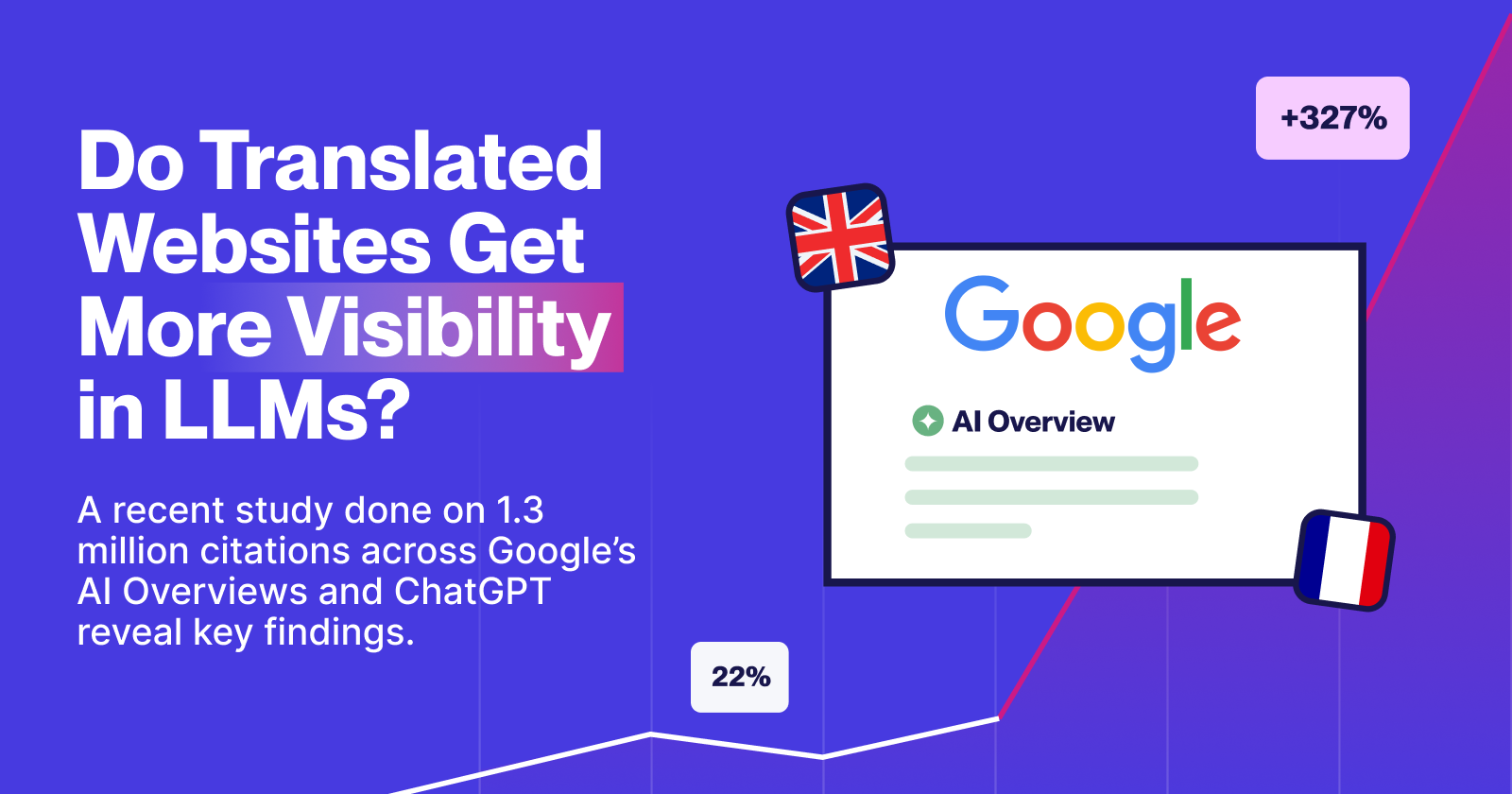
The same analytics platform, for instance, heavily invested in unique data studies, including research in non-English languages. This original data was subsequently highly cited and frequently referenced by generative AI systems because of its distinctiveness and lack of comparable alternatives. Producing content based on unique research positions a business as a thought leader and a primary source of information, which AI models are likely to leverage.
The Surprising Efficacy of Listicles
Perhaps counterintuitively, a tactic that has shown unexpected effectiveness for LLM inclusion is the use of listicles. While some experts view this format as less sophisticated or potentially not "future-proof," its structured nature makes it particularly amenable to AI processing. Listicles, with their clear headings and bulleted or numbered points, provide AI models with easily digestible, organized information that can be readily extracted and summarized for user queries.
While this might not be a long-term, foundational strategy, it offers immediate benefits for visibility. Businesses should consider incorporating well-structured list-based content for specific topics, leveraging its current effectiveness to capture attention within AI search results. The practical application here is to create clear, concise lists that answer common questions or summarize key information, making it easy for AI to integrate into its responses.
The Rise of Agentic AI and Closed Systems
The evolution of AI extends beyond simple information retrieval to "agentic AI" systems. These advanced models are designed to perform complex tasks such as booking travel, making purchases, or directly interacting with various Application Programming Interfaces (APIs). As these agentic systems become more prevalent, they raise important questions about content discovery and the potential for closed ecosystems.
When AI agents handle tasks end-to-end, they might increasingly rely on internal data, preferred partners, or directly accessed APIs, potentially reducing the need to refer users to external websites. This scenario could lead to a diminished role for traditional content publishers if AI models become self-sufficient in fulfilling user needs without external navigation.
Concerns revolve around whether these systems will become entirely closed, limiting external content creators' ability to gain visibility or direct traffic. If AI agents primarily synthesize information and complete tasks without clear attribution or links to original sources, it poses significant challenges for content creators reliant on traffic and brand exposure. Businesses must monitor these developments closely, focusing on strategies that ensure their data and offerings are accessible and preferred within these evolving AI-driven transaction paths, even if direct website traffic becomes less frequent. This might involve optimizing for specific data formats or partnering directly with AI developers.
Conclusion
The integration of LLMs into the digital landscape undeniably reshapes how content is discovered and consumed. However, the foundational principles of robust SEO, coupled with an understanding of AI's unique processing mechanisms, remain critical. While established search engines continue to be primary drivers of traffic, adopting strategies for LLM inclusion—such as consistent brand messaging, creating original data, and even employing structured formats like listicles—is essential for businesses. Adapting to the rise of agentic AI and understanding its implications for content attribution will be key to navigating the complex future of online visibility. By focusing on high-quality, authoritative, and strategically structured content, businesses can position themselves effectively in this evolving digital environment.