Meta AI Data Training: Are Your Private DMs Safe?
HyppeSocial December 2nd, 2025 Meta
Understanding Meta's Approach to AI and User Data
Recent discussions across social media have raised questions about how Meta uses private messages for AI development. A significant amount of misinformation suggests that the company is scanning personal DMs for its Meta AI data training programs. To be clear, this is not accurate. The company's updated policies focus specifically on user interactions with its AI tools, not on the content of private conversations between users.
The confusion stems from a recent Privacy Policy update. While this update does expand on how data is used to improve AI systems, it makes a critical distinction between public data, direct AI interactions, and private communications. Understanding this distinction is essential for any user on platforms like Instagram, Facebook, or WhatsApp. This article will clarify what data is used, what is protected, and what practical steps you can take to manage your data privacy.
What the Privacy Policy Update Actually Means
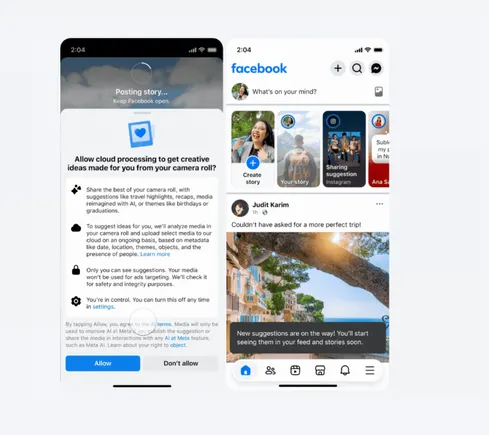
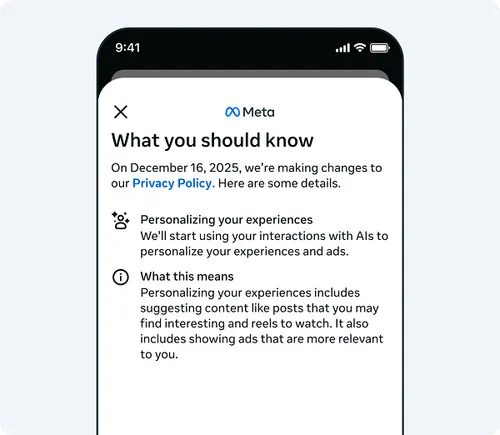
The policy update, which takes effect later this year, is designed to improve the performance and personalization of Meta's AI features. When you interact directly with Meta AI—for example, by asking it a question in a chat or using it to generate an image—that interaction becomes a data point. The company uses this information to refine the AI's responses and personalize the content you see, such as posts and reels in your feeds.
A company representative recently clarified the scope of this policy. They stated that the update is about how the company will use people's interactions with its AI features to personalize their experience. They confirmed that the content of private messages with friends and family is not used to train their AIs. The only exception is if a user in the chat explicitly chooses to share a message with the AI by tagging it or forwarding the content to it directly. This practice is not new and is separate from the recent policy update.
A Clear Look at Data Used for Meta AI Training
To provide a practical overview, it helps to separate the types of data Meta uses for its AI models. The approach is not a blanket collection of all user activity but a targeted use of specific information to improve system performance. Here is a breakdown of what is and isn't used:
- Direct AI Interactions: This is the primary data source mentioned in the new policy. Any query you send to Meta AI, whether in a DM with the bot or by tagging it in a group chat, is subject to be used for training. For instance, asking “@MetaAI, what are some good vegan recipes?” makes that query available for analysis.
- Public Content: Information that you share publicly on Facebook or Instagram can be used. This includes your public posts, comments, photos, and their associated captions. If your account is public, this content is considered accessible information.
- Anonymized and Aggregated Data: Industry research shows that large tech companies often use aggregated data, which is stripped of personally identifiable information. This helps them understand broad trends—such as which features are most popular or how users navigate the app—without looking at individual content.
- What Is NOT Used: The content of your private, one-on-one messages in Messenger, Instagram, and WhatsApp remains protected. For platforms that use end-to-end encryption, like WhatsApp by default, the content is not accessible to Meta in the first place.
How You Can Manage Your Data and Privacy
While your private DMs are secure, it's still good practice to be proactive about managing your digital footprint. Users have several tools and strategies at their disposal to control how their information is used across Meta's platforms. Taking these simple, concrete actions can give you greater peace of mind.
Follow these practical steps to maintain control over your data:
- Be Intentional with AI Interactions: Understand that when you tag Meta AI in a group chat, you are inviting it into the conversation. The content of that specific interaction will be visible to the AI system. If you want a conversation to remain completely private, do not include an AI assistant in it.
- Review Your Account Privacy Settings: Regularly check the privacy settings on your Facebook and Instagram accounts. You can set your profile to private, which limits who can see your posts and content. This is one of the most effective ways to control the use of your personal content for any purpose.
- Manage Off-Platform Activity: Meta offers tools to view and manage your activity from other websites and businesses that share data with the company. Reviewing and clearing this history can reduce the data points available for ad personalization.
- Differentiate Public from Private: Before posting, always consider the audience. Content shared publicly is fundamentally different from content shared in a private message. Treat your public profile as a digital storefront and your DMs as a private conversation.
Why Misinformation About Data Privacy Spreads
Concerns about data privacy are valid, especially given the history of data exposures in the tech industry. This general distrust can make users more susceptible to sensationalist claims and misinformation. Viral videos or posts often oversimplify complex policies or intentionally misinterpret them to generate fear and engagement.
When you see a claim that Meta is reading all your DMs, it’s important to seek out reliable information. Official company announcements and statements from fact-checking organizations offer a more accurate picture than a forwarded message or a short video clip. Ultimately, the recent update to Meta AI data training protocols is far more limited than the rumors suggest. It is a focused policy change related to direct AI engagement, not a broad surveillance of private user conversations. Staying informed through official sources is the best way to navigate the evolving digital landscape.