Meta Vibes Engagement: Data Shows Declining User Interest
HyppeSocial November 19th, 2025 Meta
Meta Vibes Engagement: Analyzing User Retention in the AI Feed
Meta has invested heavily in artificial intelligence, integrating its Meta AI assistant across its family of apps. While the company reports high usage figures, the true measure of interest lies in dedicated features like the AI-generated video feed, "Vibes." New data suggests that initial curiosity is not translating into sustained Meta Vibes engagement, raising important questions about the role of AI-generated content in social media.
Understanding Meta's AI Usage Metrics
To accurately assess the performance of a feature like Vibes, it's important to differentiate between integrated and dedicated use. Meta AI is built into the search function of Facebook, Instagram, and WhatsApp. With a combined 3.54 billion daily active users across these platforms, many people interact with the AI assistant without specifically seeking it out. This integration inflates the overall usage numbers, making it difficult to gauge genuine user interest in Meta's AI tools.
A more precise indicator is the usage of the standalone Meta AI app. Originally a companion app for Meta's Ray-Ban smart glasses, it was rebranded in April to serve as a dedicated hub for its AI features. The app's performance, particularly after the launch of new functions, provides a clearer picture of voluntary user adoption.
The Initial Surge: Novelty Drives Downloads
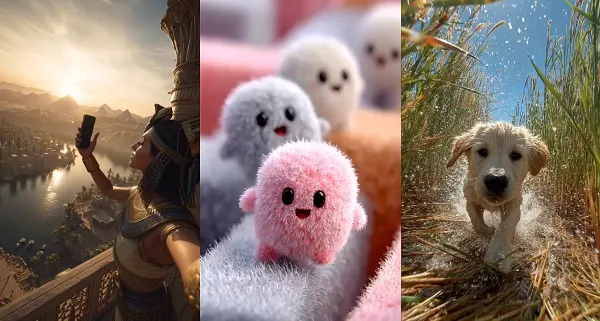
In late September, Meta launched "Vibes," a feed of AI-generated video content, within the Meta AI app. The introduction of this feature caused a significant spike in interest. According to data from Similarweb, the app's downloads and usage surged, reaching approximately 30 million monthly active users in October alone. That month saw 8.8 million new downloads, indicating that the novelty of an AI-powered video stream successfully captured public curiosity.
This initial spike demonstrates a clear market interest in exploring the capabilities of generative AI. Users were eager to see what an entirely AI-created video feed would look like. However, the critical question for any new platform feature is whether this initial attention can be converted into long-term, habitual use.
Analyzing Declining Meta Vibes Engagement Data
Despite the strong initial download numbers, internal Meta data reported by Business Insider paints a different picture of ongoing user retention. The numbers suggest that while many users tried Vibes, a much smaller fraction are returning to it regularly.
- Daily Active Users: The Vibes feed currently has around 2 million daily active users (DAU), a figure that has shown a slight week-over-week decline.
- DAU vs. MAU Ratio: This DAU count is notably low compared to the nearly 30 million monthly active users (MAU) reported in October. Typically, successful social media apps see a DAU that is around 50% of their MAU. The much lower ratio for Vibes suggests poor user retention.
- Geographic Concentration: The majority of early November growth was concentrated in specific markets, with India (702,000 DAU) and Brazil (114,000 DAU) leading the way.
- Regional Declines: In some areas where the feature has been available longer, usage is already dropping. The Philippines saw a 9% decrease in daily actives, and Thailand experienced a 7% decline.
This data indicates that the novelty factor is wearing off. While the concept of an AI video feed is intriguing, the current execution may not be compelling enough to hold audience attention against established, human-curated content platforms.
What's Causing the Drop in User Retention?
The core challenge for Vibes appears to be the quality and nature of its content. An AI-generated feed, at this stage of development, can struggle to compete with the authenticity, creativity, and relatability of human-created videos. The source article notes the presence of a "flow of junk," which points toward a common issue with generative AI: a lack of consistent quality and originality.
Potential reasons for the decline in Meta Vibes engagement include:
- Lack of Human Connection: Social media is fundamentally about connection. Content that lacks a human touch or a genuine point of view may feel sterile or uninteresting over time.
- Repetitive or Low-Quality Content: AI models can fall into patterns, producing content that feels generic or repetitive. This can lead to a predictable and unengaging user experience.
- Direct Competition: Users have limited attention, and Vibes is competing directly with hyper-engaging, human-driven content on platforms like TikTok, YouTube Shorts, and Meta's own Reels.
Implications for Marketers and Content Creators
The performance of Meta Vibes offers valuable insights for social media professionals. It highlights the current limitations of relying solely on AI for content creation and audience engagement. For now, a human-centric approach remains far more effective.
Here are some practical takeaways:
- Prioritize Authenticity: This data reinforces the value of authentic, human-driven content. Audiences connect with real stories, personalities, and experiences.
- Use AI as a Tool, Not a Replacement: Generative AI is a powerful tool for brainstorming, scriptwriting, or creating supplementary visual assets. However, it should assist human creativity, not replace it entirely.
- Monitor Emerging Platforms Cautiously: While it's important to be aware of new features like Vibes, it's wise to wait for evidence of sustained user engagement before dedicating significant resources to them.
- Focus on Established Formats: Efforts are better spent on proven formats like Reels, where audience attention is established and the potential for reach and engagement is much higher.
In conclusion, the story of Meta Vibes is a practical lesson in the current landscape of AI in social media. While the technology is advancing rapidly, it has not yet reached a point where it can consistently create content that captures and holds human attention on its own. The initial data shows a clear gap between curiosity and long-term engagement, underscoring the enduring importance of human creativity in the digital space.