Snap Stakes Its Claim in the Spatial AI Arms Race with Illumix Acquisition
HyppeSocial June 4th, 2026 Artificial Intelligence
The Strategic Move for Spatial Intelligence
Snap is no longer content with being just a camera company. The recent acquisition of Illumix signals a decisive pivot toward a future where digital layers are permanently etched into our physical surroundings. This move isn't just about adding new filters or lenses; it is a fundamental play for the infrastructure of the next computing era. By bringing Illumix into the fold, Snap is securing the technical expertise required to make augmented reality feel less like a gimmick and more like a utility.
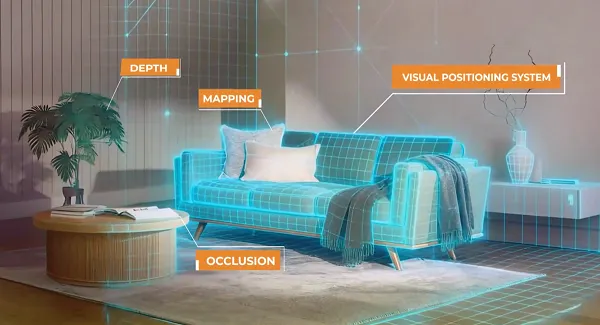
The core of this acquisition lies in spatial understanding. While traditional AR often struggles with drift or poor surface detection, the technology developed by Illumix focuses on high-fidelity digital mapping. This allows devices to understand the geometry of a room with surgical precision. For Snap, this means their upcoming hardware will have the capability to recognize where objects are and, more importantly, remember where they stay. This persistence is the missing link in creating truly immersive digital environments.
The Architecture of Persistent Worlds
Illumix has spent the last eight years perfecting a spatial stack that addresses the most difficult problems in computer vision. Their platform excels in three critical areas that will define the success of wearable AI:
- Centimeter-Accurate Localization: The ability for a device to know exactly where it is in a room within a fraction of an inch.
- Real-Time 3D Mapping: Generating a digital twin of the environment on the fly to allow for realistic light and shadow interactions.
- Persistent World Anchoring: Ensuring that a digital note left on a physical refrigerator remains there for every user who enters the room.
These features transform the user experience from a passive viewing session into an active, shared reality. When digital objects respect the laws of physics and stay where they are placed, the brain begins to accept them as part of the environment. This psychological shift is essential for the long-term adoption of head-worn wearables. Snap is betting that this level of technical polish will give them an edge over competitors who are still struggling with shaky overlays.
The Battle for the Face: Snap vs. Meta
The landscape of wearable technology is becoming increasingly crowded, with Meta and Apple pouring billions into their own proprietary ecosystems. Meta has seen significant success with its lightweight AI-integrated glasses, focusing on audio and basic visual capture. Snap, however, is taking a more ambitious route by prioritizing full AR capabilities. This creates a clear divide in the market between simple smart glasses and fully realized spatial computers.
The challenge for Snap has always been the form factor. Their previous iterations of hardware have been criticized for being bulky or having limited battery life. By integrating spatial AI that is optimized for lightweight headsets, Snap can potentially reduce the processing load on the hardware. If the software can handle the heavy lifting of mapping and localization more efficiently, the hardware can finally become slim enough for daily wear. The Illumix team specializes in this exact optimization, making them a vital asset for the 2026 hardware roadmap.
Contextual AI and Personalized Memory
Beyond the visual mapping, this acquisition introduces a sophisticated layer of contextual awareness. Illumix has developed systems that provide long-term memory and user profiles. This means future iterations of Snap's wearables won't just see what you see; they will understand the context of your surroundings. Imagine a device that remembers where you left your keys or provides personalized professional insights based on the person standing in front of you.
This level of personalization is where the real value of AI wearables resides. A device that understands your specific context and serves up relevant content without being prompted is the ultimate goal of intuitive computing. Snap's vision is to move away from the intrusive nature of smartphone screens and toward a more human-centric interface. By blending AI with spatial mapping, they are creating a system that assists the user rather than distracting them.
Redefining the Future of Computing
The transition from handheld devices to wearable spatial computers is the most significant shift since the introduction of the smartphone. This acquisition proves that Snap is willing to invest heavily in the foundational tech required to lead this change. While hardware aesthetics will always matter, the winner of the AR race will be the company that provides the most stable, useful, and intelligent software layer.
The integration of spatial AI into the Snap ecosystem will likely influence every part of the user experience, from social interactions to commerce. As digital and physical worlds continue to merge, the ability to map, anchor, and remember digital content in real space will become the new gold standard. Snap is positioned to be the architect of this new reality, provided they can translate these technical advantages into a product that consumers actually want to wear every day.